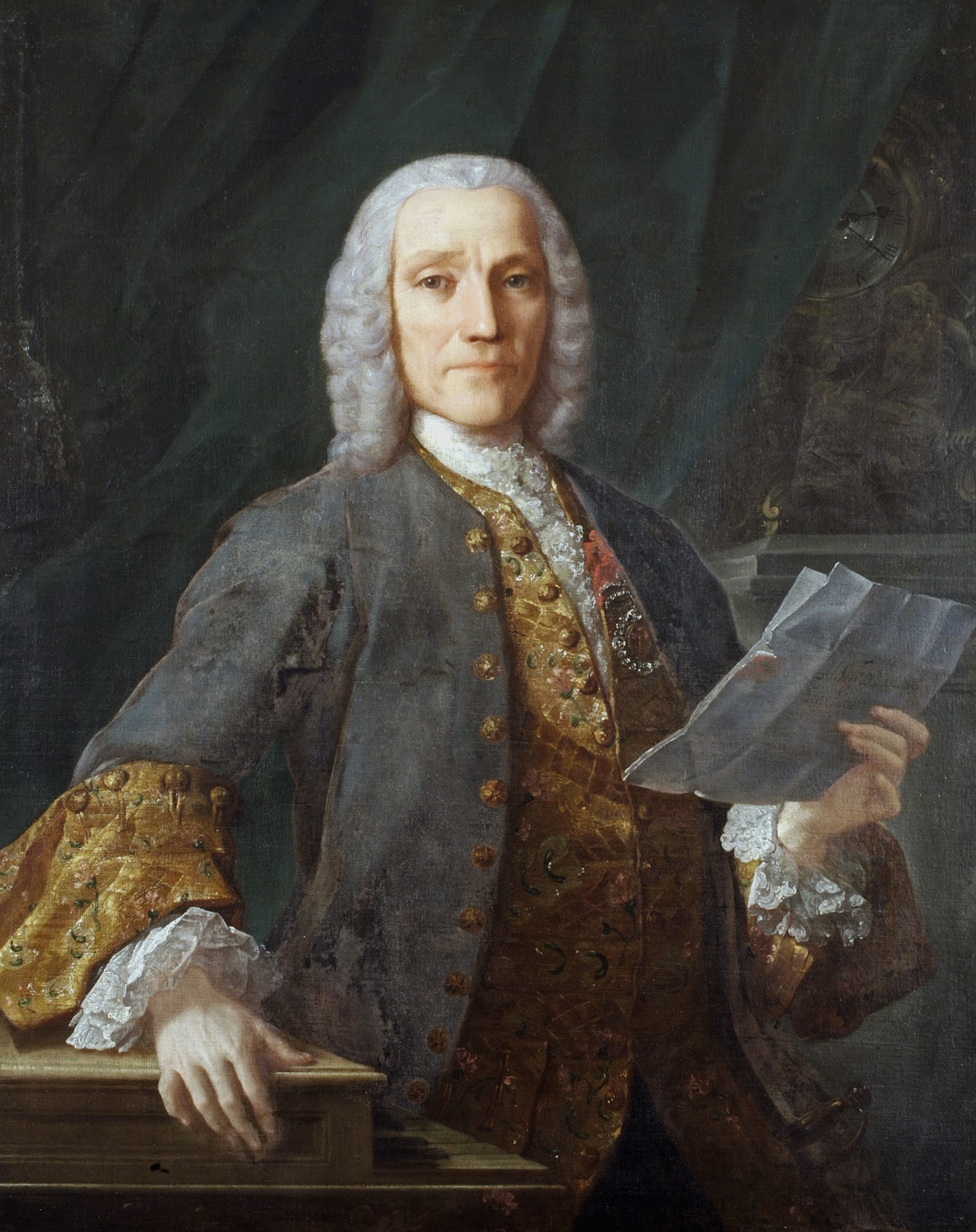
Domenico Scarlatti (b. Naples 1685; d. Madrid 1757) was one of the leading figures of eighteenth-century music. He revolutionised keyboard playing, became a central point of reference for many generations of keyboard composers, and remains extremely popular with performers and audiences alike. But he is something of an enigma. He worked for nearly forty years in the courts of Portugal and Spain, yet we have very little hard evidence about his personal and professional life there—none of the autograph scores, sketches, notebooks, diaries and letters that would normally help to contextualise a composer’s music.
‘Texting Scarlatti’ has therefore focused on the evidence we do have: the sonatas themselves, and the huge number of copies that circulated across Europe during the eighteenth century. A detailed and comprehensive textual study of these witnesses is an essential first step to answering a key question: how did the music of a man who apparently led such a quiet life escape the confines of the royal music room and go viral across Europe?
The textual challenges surrounding the 555 sonatas in Kirkpatrick’s catalogue are both complex and straightforward. The complexity arises from his popularity as a composer, resulting in over 3300 surviving witnesses across over 200 collections held in some 50 libraries worldwide, ranging from presentation volumes to pirated editions.
Editors of Scarlatti have largely relied on three authoritative collections: the Essercizi per gravicembalo (30 sonatas printed in London, 1738/39), and two manuscript sets in Venice and Parma mostly compiled between 1752-1757. That much is straightforward. But while these sources have impeccable provenance—the Venice and Parma manuscripts were owned by Queen Maria Bárbara, Scarlatti’s patron—they represent less than a third of surviving eighteenth-century witnesses, leaving the question of how the other 2000 or more fit in. What do they tell us?
Rather than use textual criticism to produce another critical edition, we use it to focus ‘downstream’ from composition to reception. Taking Kenneth Gilbert’s widely-used complete edition as a baseline, we employ a range of digital tools for detailed comparative analysis. We record all variants in machine-readable code to establish kinship between witnesses, trace circulation patterns and understand contemporary performance traditions.
This methodology reflects musicology’s ‘performative turn’, viewing music as performance rather than static text. The witnesses reveal as much about reception, interpretation, and collection practices as about composition itself. By making scores the beginning rather than conclusion of scholarly conversation, we aim to illuminate the social and cultural contexts that have shaped Scarlatti’s enduring legacy.